













QatarEnergy has confirmed that missile attacks on its Ras Laffan Industrial City have reduced the country’s liquefied natural gas (LNG) export capacity by about…
Published
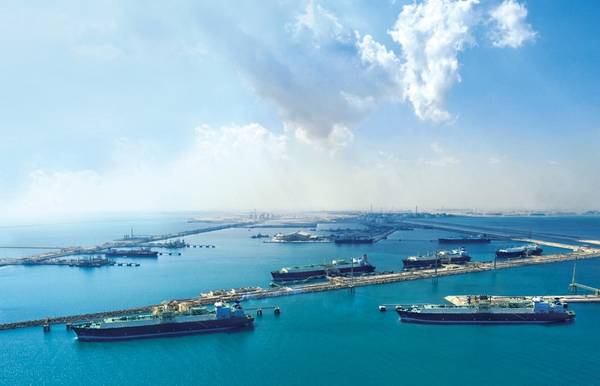
QatarEnergy has confirmed that missile attacks on its Ras Laffan Industrial City have reduced the country’s liquefied natural gas (LNG) export capacity by about 17% and could result in around $20 billion in annual revenue losses.
The strikes, which took place on March 18 and in the early hours of March 19, damaged key production facilities at the site, one of the world’s largest LNG hubs.
QatarEnergy said repairs to the affected infrastructure could take between three and five years, with the disruption expected to impact supply to markets in Europe and Asia.
The attacks hit LNG Trains 4 and 6, with a combined capacity of 12.8 million tonnes per annum. The two trains account for approximately 17% of Qatar’s LNG exports. Train 4 is a joint venture between QatarEnergy and ExxonMobil, while Train 6 is also jointly operated by the two companies.
“The damage sustained by the LNG facilities will take between three to five years to repair. The impact is on China, South Korea, Italy and Belgium. This means that we will be compelled to declare force majeure for up
Content Original Link:
" target="_blank">